
Influencer Marketing Agency
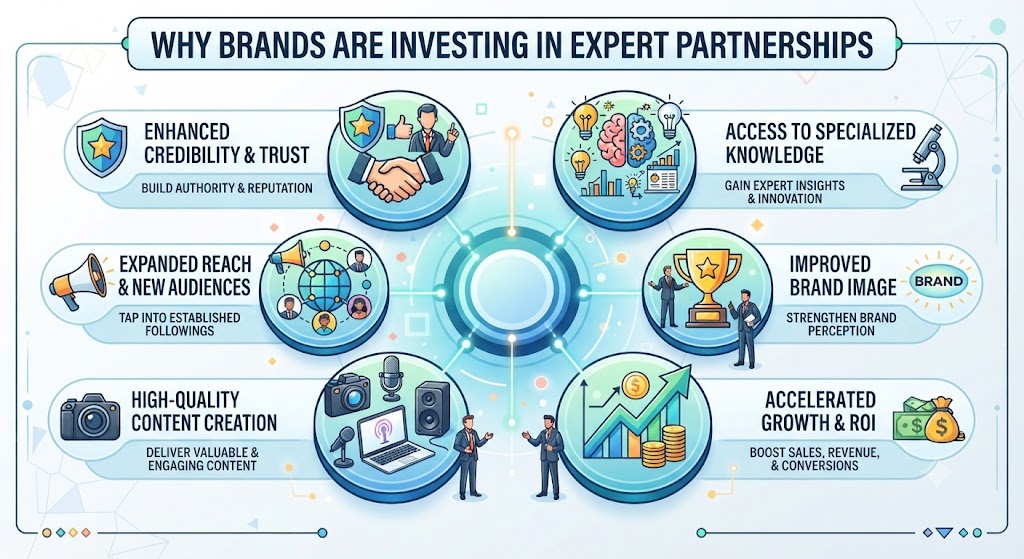
Why Brands Are Investing in Expert Partnerships
In the last decade, influencer marketing has evolved from a niche experiment into one of the most powerful tools in a brand’s marketing arsenal. What started as a handful of bloggers reviewing products has grown into a multi-billion-dollar industry involving creators across YouTube, Instagram, TikTok, and beyond. As this space has matured, so has the need for specialized expertise — which is exactly where an influencer marketing agency comes in.
What Is an Influencer Marketing Agency?
An influencer marketing agency is a specialized firm that connects brands with content creators and social media personalities to promote products, services, or campaigns. Unlike traditional advertising agencies, these firms focus specifically on the nuances of creator partnerships — understanding platform algorithms, audience demographics, engagement metrics, and the art of authentic storytelling that resonates with online communities.
These agencies act as the bridge between a brand’s marketing goals and a creator’s audience trust. They handle everything from identifying the right influencers to negotiating contracts, managing content approval, tracking performance, and ensuring compliance with advertising regulations.
Why Brands Need an Influencer Marketing Agency
Brands need an Influencer Marketing Agency to reach trusted audiences, boost engagement, build credibility, and drive measurable sales faster online.
1. Access to a Vetted Creator Network
One of the biggest challenges brands face is finding the right influencers. With millions of creators across platforms, manually searching for someone whose audience, values, and content style align with a brand can be overwhelming. Agencies maintain extensive networks of pre-vetted influencers across niches — beauty, fitness, tech, travel, finance, and more — saving brands significant time and reducing the risk of a poor fit.

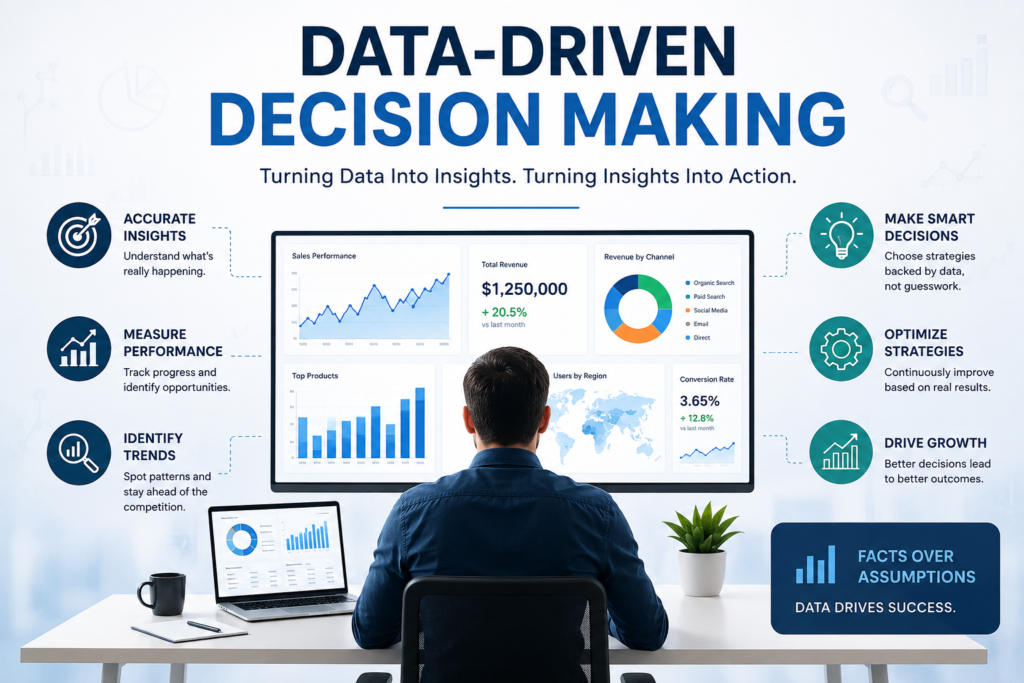
2. Data-Driven Decision Making
Successful influencer campaigns aren’t built on guesswork. Agencies use analytics tools to evaluate an influencer’s engagement rate, audience authenticity, follower demographics, and past campaign performance. This data helps brands avoid influencers with inflated follower counts or fake engagement, ensuring marketing budgets are spent effectively.
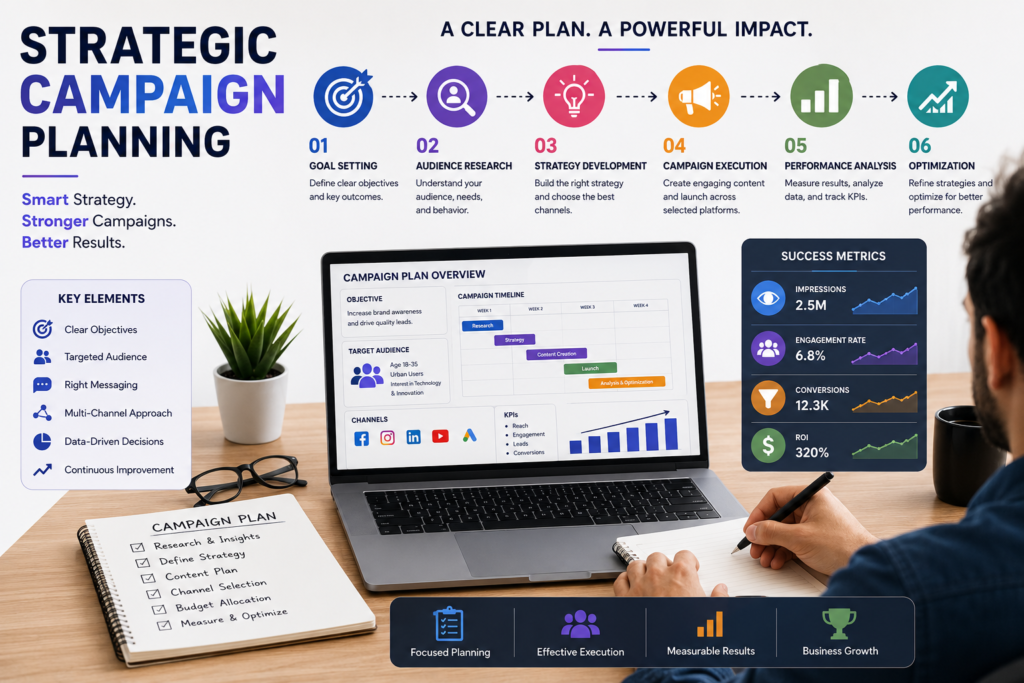
3. Strategic Campaign Planning
A good agency doesn’t just connect brands with influencers — it builds a full strategy around the partnership. This includes defining campaign objectives, selecting the right platforms, crafting messaging guidelines, setting KPIs, and creating a content calendar. This strategic layer is often what separates a campaign that goes viral from one that falls flat.
4. Negotiation and Contract Management
Agencies bring valuable negotiation experience to the table, helping brands secure fair rates and favorable terms. They also manage contracts that outline deliverables, usage rights, exclusivity clauses, and payment terms — protecting both the brand and the creator from potential disputes.
5. Content Quality Control
While authenticity is key to influencer marketing, brands still need content that aligns with their voice and guidelines. Agencies act as an intermediary, reviewing content before it goes live to ensure it meets brand standards without stripping away the creator’s natural style — a delicate balance that takes experience to manage well.
6. Regulatory Compliance
Advertising regulations around sponsored content — such as disclosure requirements from bodies like the FTC in the U.S. or ASCI in India — are constantly evolving. Agencies help ensure that campaigns stay compliant, protecting brands from potential fines or reputational damage.
7. Performance Tracking and Reporting
After a campaign launches, agencies track key metrics like reach, engagement, click-through rates, and conversions. This reporting helps brands understand ROI and refine future campaigns based on what worked and what didn’t
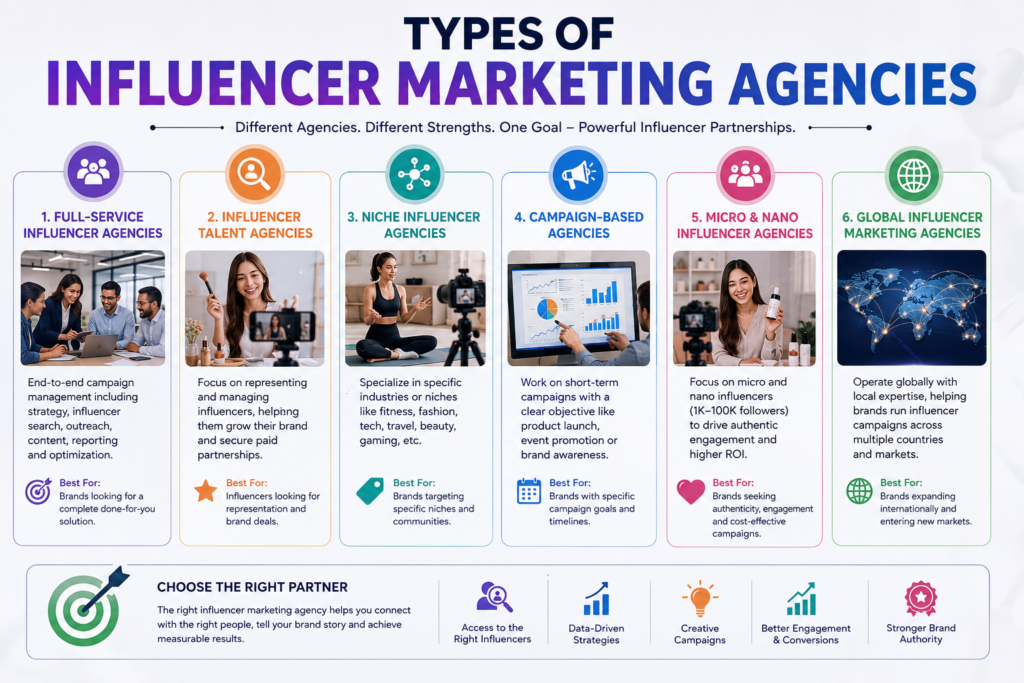
Types of Influencer Marketing Agencies
Not all influencer marketing agencies operate the same way. Some common models include.
- Full-Service Agencies: Handle everything from strategy to execution to reporting.
- Talent Management Agencies: Represent influencers directly and connect them with brand opportunities.
- Platform-Specific Agencies: Specialize in a single platform, such as TikTok or YouTube.
- Niche-Focused Agencies: Focus on specific industries like fashion, gaming, or wellness.
- Micro-Influencer Agencies: Specialize in smaller creators with highly engaged, niche audiences — often more cost-effective and authentic than mega-influencers.
How to Choose the Right Influencer Marketing Agency
When selecting an agency, brands should consider several factors:
- Industry Experience — Does the agency have a track record in your specific industry or niche?
- Creator Network Quality — Are their influencer relationships genuine and long-term, or transactional?
- Transparency in Reporting — Will you get clear, honest data on campaign performance?
- Case Studies and Results — Can they show measurable success from past campaigns?
- Budget Alignment — Do their services and creator tiers match your marketing budget?
- Communication Style — Is the agency responsive, collaborative, and easy to work with?
The Future of Influencer Marketing Agencies
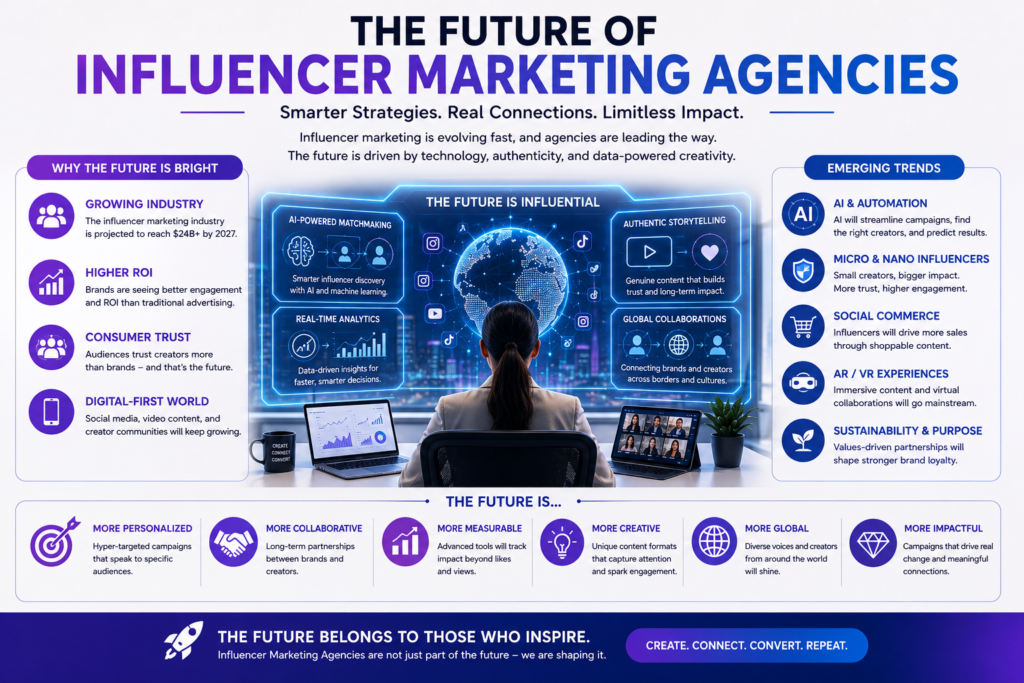
As the creator economy continues to grow, influencer marketing agencies are evolving to offer more sophisticated services. Many are now incorporating AI-driven influencer discovery tools, predictive analytics for campaign performance, and long-term brand ambassador programs rather than one-off sponsored posts. There’s also a growing emphasis on authenticity, with brands favoring micro and nano-influencers who have smaller but highly engaged and trusting audiences.
Additionally, short-form video content continues to dominate, pushing agencies to develop deeper expertise in platforms like TikTok and Instagram Reels. Agencies that can adapt quickly to platform trends and shifting audience behaviors will remain indispensable partners for brands looking to stay relevant in a crowded digital landscape.
Final Thoughts
Influencer marketing is no longer a passing trend — it’s a core component of modern digital marketing strategy. For brands looking to tap into engaged audiences, build trust, and drive measurable results, partnering with the right influencer marketing agency can make all the difference. From identifying the perfect creator match to managing campaigns end-to-end and ensuring compliance, these agencies bring the expertise needed to navigate an increasingly complex and competitive space.
Whether you’re a startup looking to build brand awareness or an established company aiming to scale your reach, investing in a skilled influencer marketing agency can help you unlock the full potential of creator-driven marketing.